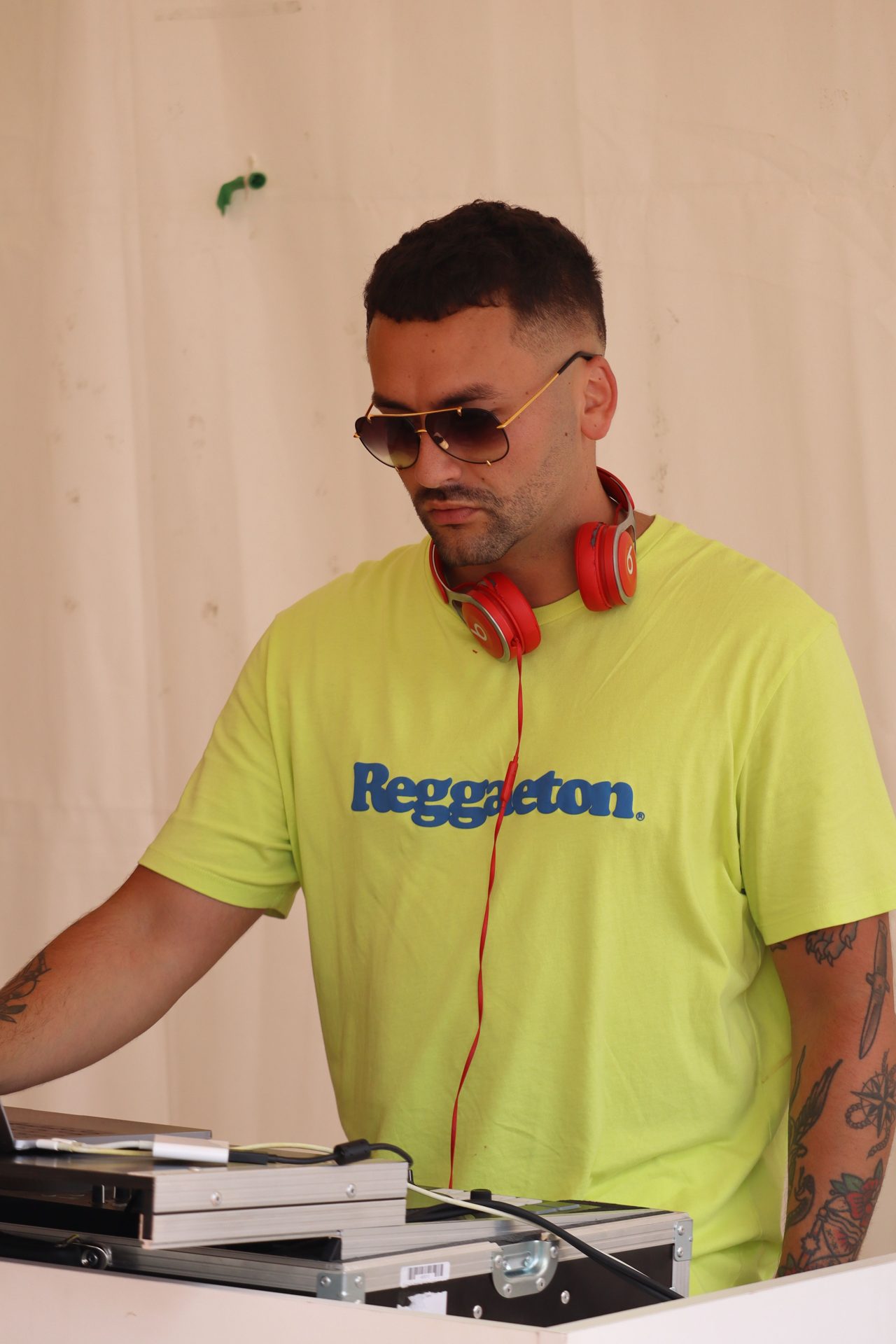
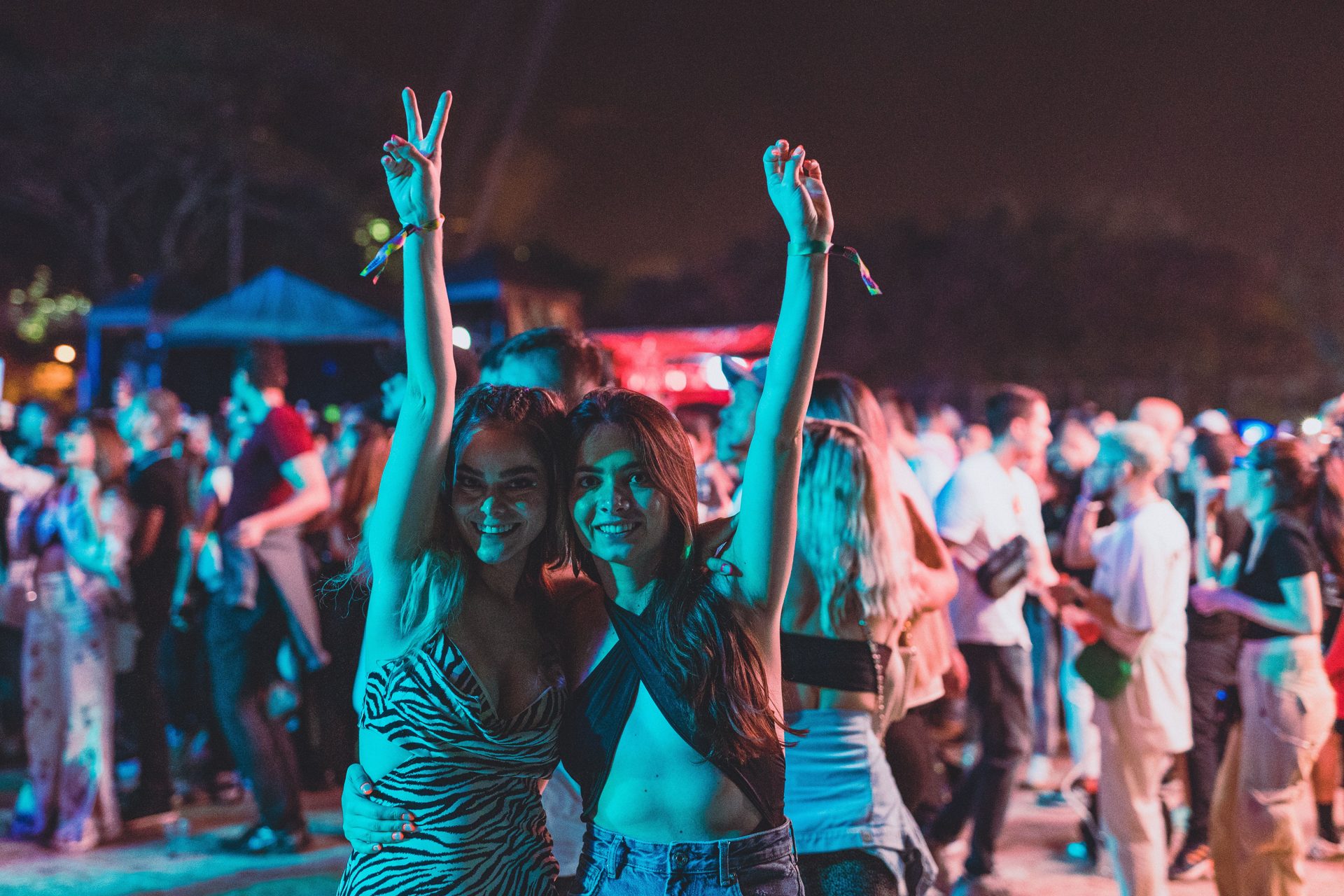
Reggaeton and dance music share a lot. Both are built for the floor. Both live on a steady pulse. Both come out of club culture. And in Miami, they share the same weekends. So why does it still feel like two separate worlds?
They have crossed over, many times
Reggaeton and EDM have mashed up more than people remember.
"Mi Gente" by J Balvin and Willy William in 2017 was a dance record and a reggaeton record at the same time, and the Beyoncé remix took it everywhere. DJ Snake's "Taki Taki" in 2018 put Ozuna, Selena Gomez and Cardi B on one track.
And this year at Ultra in Miami, the crossover was all over the festival. Bizarrap brought out Daddy Yankee on the main stage. Farruko joined Steve Aoki for "Pepas." J Balvin and Ryan Castro performed "Tonto" with DJ Snake. Feid showed up in John Summit's set to preview a song they made together.
In April 2026, Beatport, the biggest store for DJs, launched a dedicated Latin Electronic genre so these records stop getting lost between categories.
So why does it feel rare?
The tempo. Classic reggaeton sits around 90 beats per minute. House and techno usually run from 120 to 130. You can blend them, but it takes real production work, not just a remix.
The business. Latin labels and dance labels have different radio plans, different playlists and different booking agents. A song that lives between them often has no team pushing it.
The crowds. Promoters spent years booking a "Latin night" and a "house night" as separate events. The fans were split before the music ever had a chance.
Where it is going
The underground is ahead of the charts. Neoperreo artists in Mexico, Spain and Argentina have been mixing reggaeton with club music, distorted bass and electronic textures for years. Bigger artists like Rosalía, Bad Bunny, Feid and Karol G have pulled those sounds into their records.
What is missing is the room in between, nights where a DJ can go from dembow to house without losing half the crowd.
Miami should own that room. Few cities have this many reggaeton fans and dance music fans in the same zip codes.
What this means for you
If you produce, this is open ground. Learn to work between 90 and 125 BPM. Try halftime and double time grooves. Put a reggaeton vocal on a house beat and test it on a real crowd.
If you DJ or promote, stop splitting the night. Book one room that plays both.