Reggaeton just had one of the biggest years any genre has ever had. Bad Bunny won Album of the Year at the 2026 Grammys for Debí Tirar Más Fotos, then headlined the Super Bowl halftime show and performed in Spanish to one of the biggest audiences on Earth.
So where does it go from here?
The numbers
Latin music keeps growing in the U.S. Luminate's midyear report shows Spanish language music at 9.4% of U.S. streams in the first half of 2026, with 63 billion U.S. Latin streams. More than half of casual U.S. listeners, 54%, now listen to Latin music, an all time high. Bad Bunny's album was the third biggest in the country in that period.
Going back to the roots
A lot of the newest reggaeton sounds older. Producers are bringing back the raw dembow drums, the early 2000s energy and the old school "perreo" feel. Artists like Bellakath built followings on beats that sound like they came from a 2004 mixtape.
Neoperreo and the underground
Neoperreo is a rougher, more DIY branch, distorted bass, stripped down dembow and club sounds. It started with artists like Ms Nina and Tomasa del Real and spread through Mexico, Spain, Argentina and Chile. Women and LGBTQ+ artists drive much of that scene, and bigger stars like Rosalía, Bad Bunny, Feid and Karol G have pulled its sounds into their own records.
Colombia keeps rising
Look at the 2027 Grammy nominees for Best Música Urbana Album, Rauw Alejandro, J Balvin with Ryan Castro, Ryan Castro on his own, Alvaro Diaz, Feid and Young Miko. Medellín is all over that list.
Reggaeton meets the dance floor
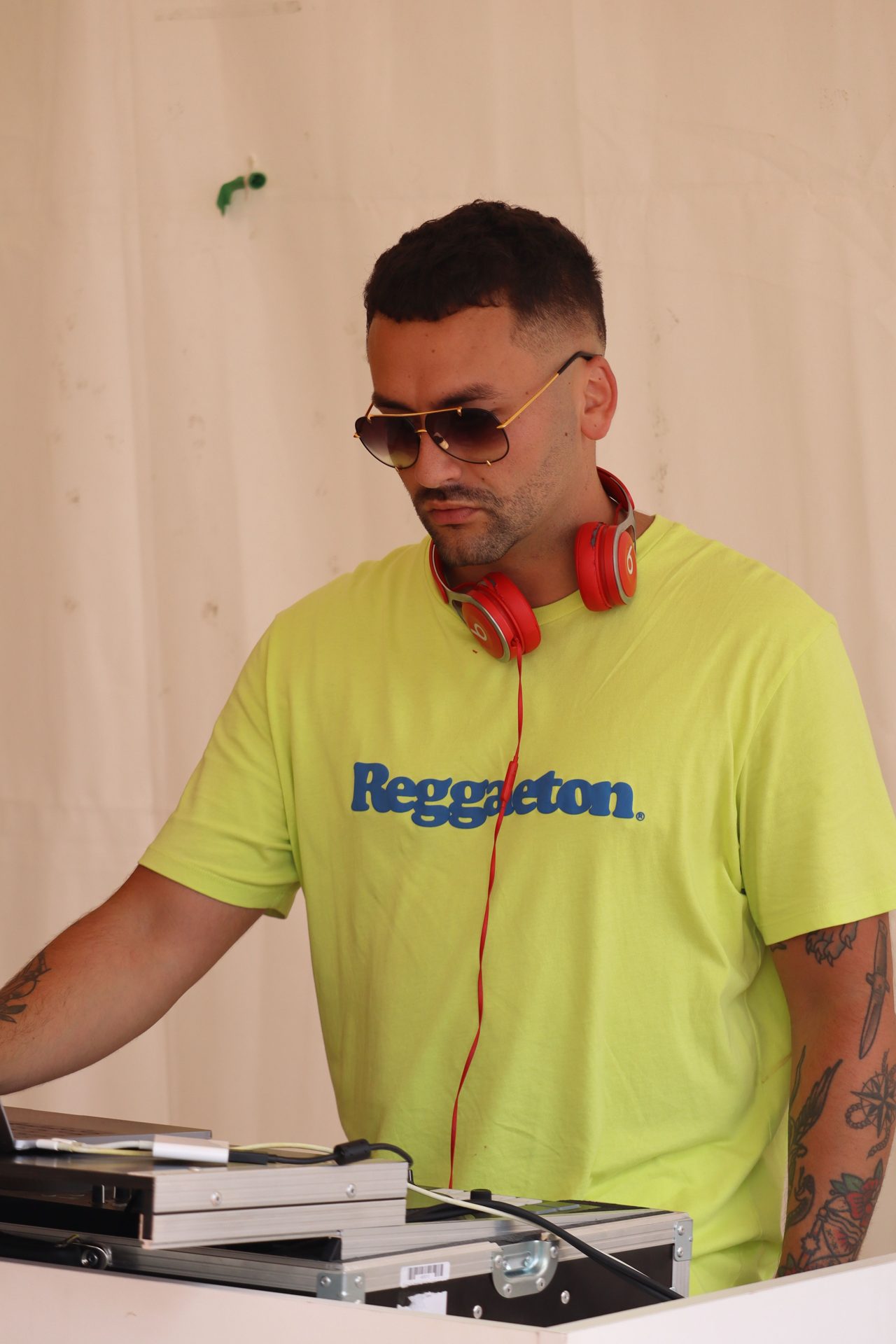
At Ultra in Miami this year, Bizarrap brought out Daddy Yankee on the main stage, J Balvin and Ryan Castro performed with DJ Snake, and Feid showed up in John Summit's set. In April 2026, Beatport launched a dedicated Latin Electronic genre. Reggaeton and house are blending in real time.
Blends everywhere
Reggaeton now mixes with cumbia, dancehall, Afrobeats, trap, drill, R&B and Brazilian funk. Young Latin listeners do not treat "Latin music" as one genre. They move between corridos, reggaeton and funk in one playlist.
What this means for artists
If you make reggaeton, the door is wide open, but the sound is more crowded than ever. The artists breaking through have a specific identity, a city, a sound, an attitude.
Miami sits in the middle of all of it. Use that. Work with local DJs, test songs live and do not be afraid to mix in house, dancehall or whatever your neighborhood plays.