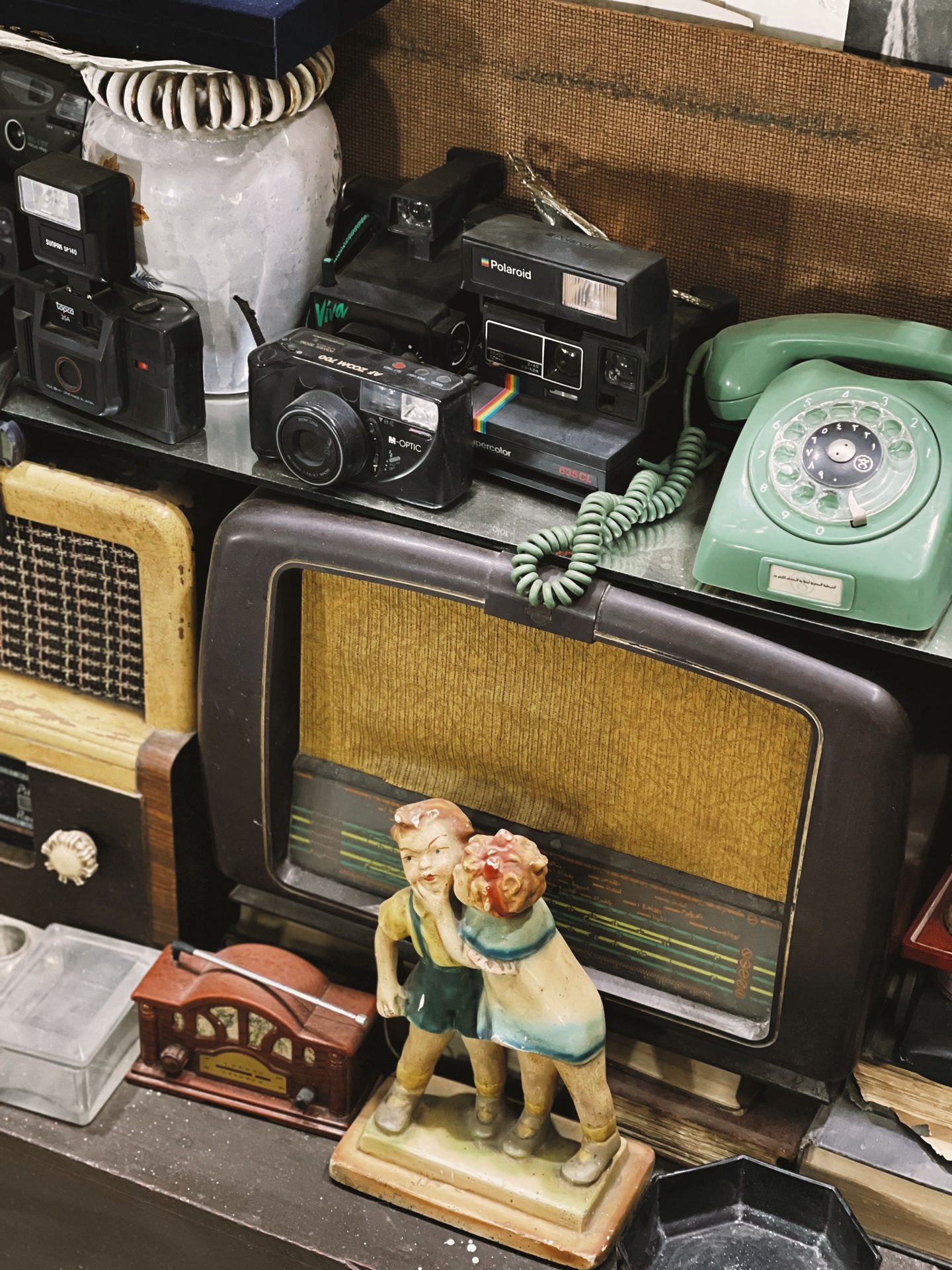
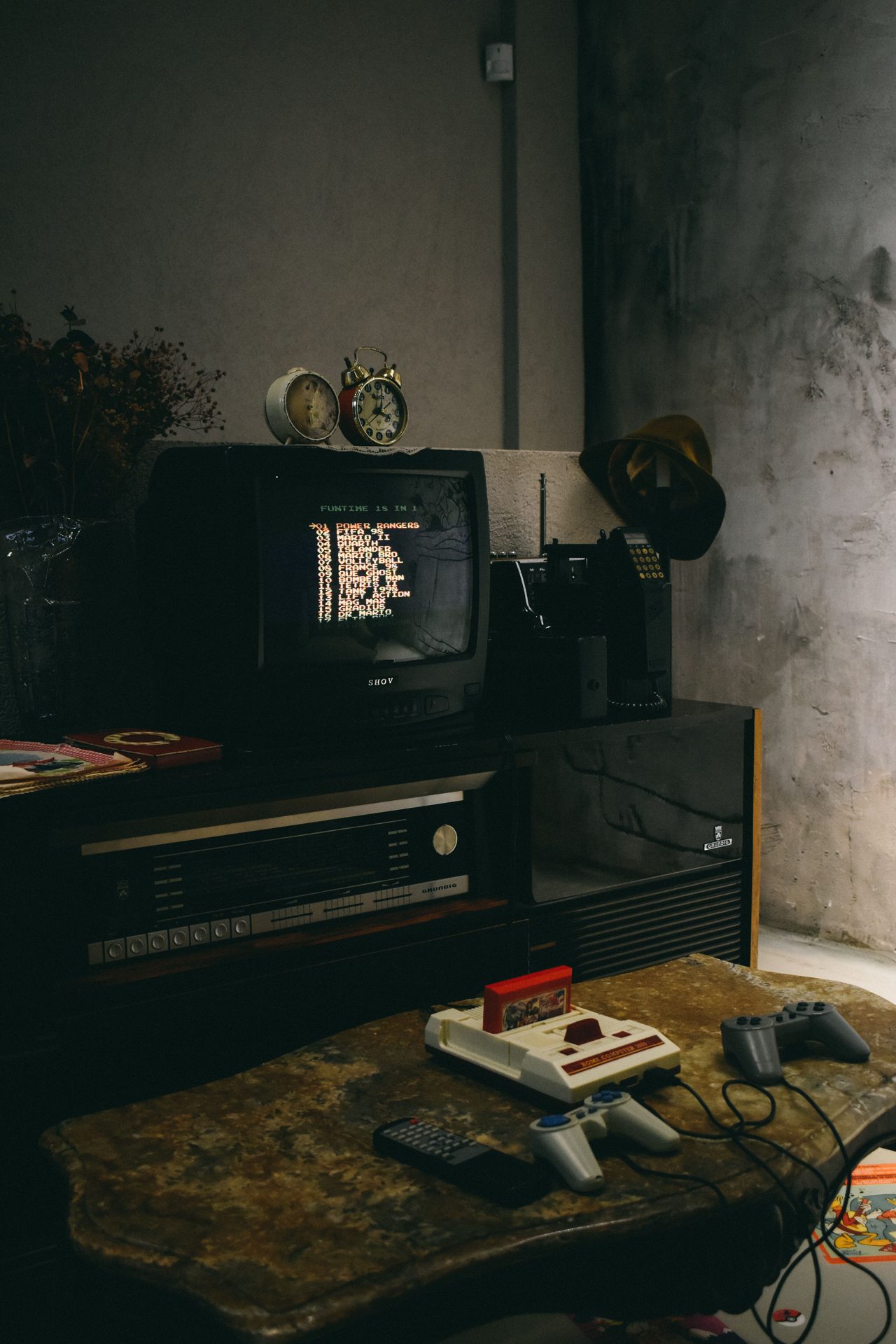
Just after midnight on August 1, 1981, MTV went on the air. The first video it played was "Video Killed the Radio Star" by The Buggles. The title turned out to be a pretty good prediction.
The MTV years
For most of the '80s and '90s, MTV was the gatekeeper. If your video was in rotation, your career moved. If it was not, it was a lot harder.
Videos became events. Michael Jackson's "Thriller" ran almost 14 minutes and premiered like a movie. Madonna turned every video into a new image. Budgets climbed into the millions.
Hip hop had to fight for space. MTV was slow to play Black artists in its early years. "Yo! MTV Raps" launched in 1988 and proved rap videos could carry a show. BET's "Rap City" built its own audience. Directors like Hype Williams defined how late '90s rap and R&B looked, fisheye lenses, bright colors, big rooms.
The slow fade
By the 2000s, MTV was mostly reality shows. The videos moved to late night and then mostly off the channel.
For a while it looked like music videos might fade out completely. Record sales were falling, and labels did not want to spend six figures on something that only aired at 3 AM.
YouTube changes everything
YouTube launched in 2005. Within a few years it became the biggest music video platform in the world. Vevo arrived in 2009 to put label videos in one place, and suddenly old videos were earning again.
Now anyone could release a video. You did not need MTV to say yes. A video shot on a camcorder in someone's backyard could reach millions if people shared it. Soulja Boy, Chief Keef and countless others built careers on YouTube before a label called.
Short video and the next shift
Then came Instagram, TikTok and YouTube Shorts. Today many songs break from a 15 second clip, not a three minute video. Artists film something every day instead of one big video per single.
That changed what a "music video" is. It might be you singing in your car. It might be a dance challenge. It might be a live performance shot on a phone.
What this means for you
You do not need a big budget. You need a lot of moments.
Film your performances, your studio sessions, your shows. Post the full video somewhere people can watch and share it, and cut short clips for every platform.
On SocialZop, every video gets its own link with a preview in every chat, so when a fan shares your performance, the link opens that exact video.
MTV decided which videos people saw. Now the gatekeeper is whether people care enough to share it.