Some of the biggest careers in music were built on one artist and one producer locked in together. Think of Dr. Dre and Snoop, Timbaland and Missy Elliott, Pharrell and Clipse, Metro Boomin and Future. The sound you love was often made by two people.
So no, needing a producer is not a weakness. Depending on one person for everything is a different story.
When reliance is healthy
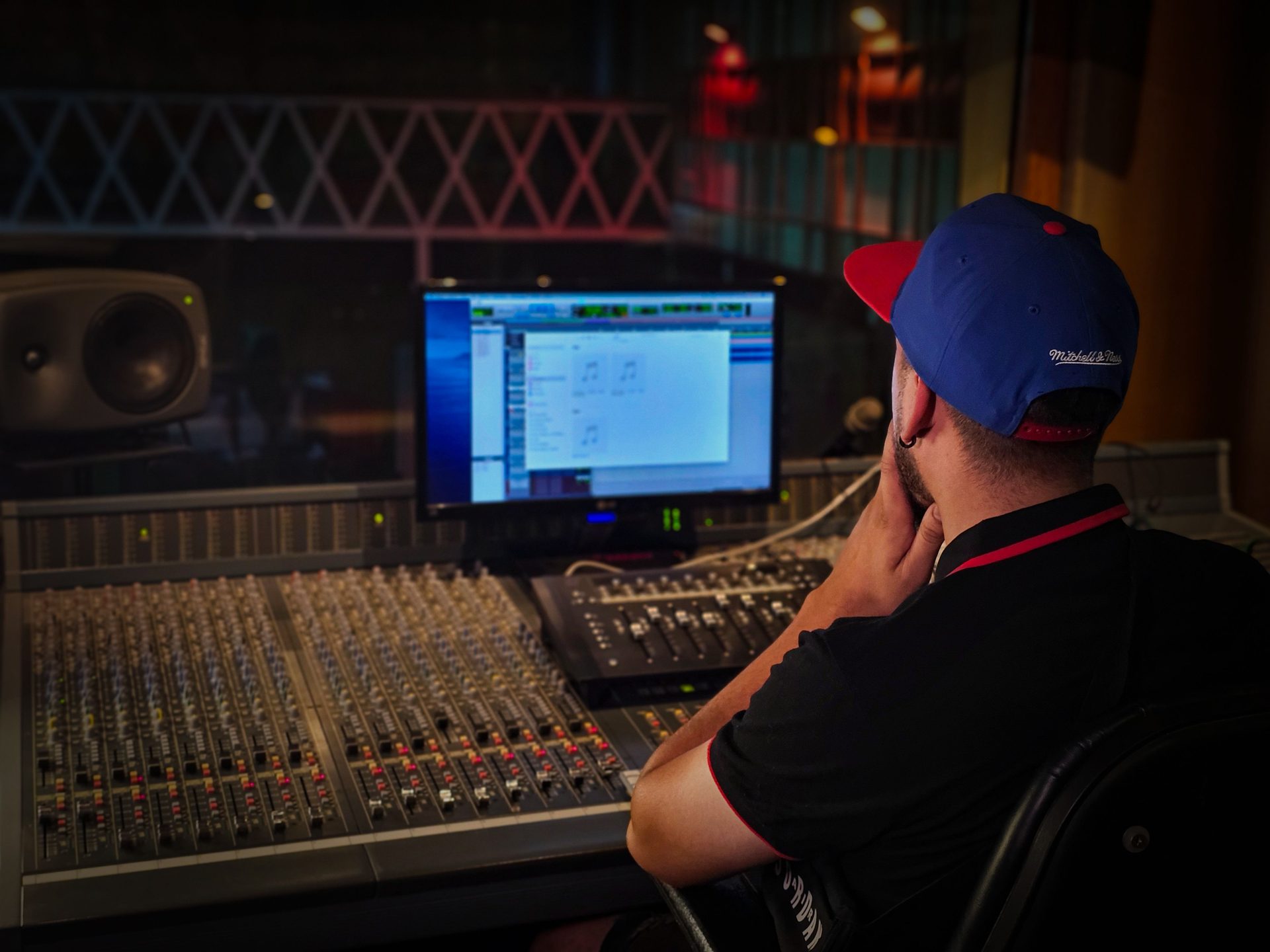
A good producer does more than make beats. They hear what you cannot hear in your own voice. They push you to do another take. They tell you the hook is not there yet. That outside ear is worth a lot.
Producers also bring a sound. If you are a vocalist or a rapper, building your identity with one producer can make your music instantly recognizable.
When it becomes a problem
You cannot finish anything without them. If your producer gets busy, moves on or signs a deal, your release schedule stops. You should be able to write, record a demo and arrange a basic idea on your own.
Your sound belongs to them. If every fan says "that's a so and so beat" before they mention you, the producer owns the identity. When that producer works with someone else, so does your sound.
The paperwork is missing. This is the biggest one. Who owns the beat? Is it a lease or exclusive rights? What percentage of the publishing does the producer get? Are there producer points on the master? Too many artists release music on a handshake and find out later they do not control their own songs.
Fair to both sides
Producers have a real complaint too. For years they got paid once for a beat that went on to make money for decades. A lot of producers now ask for publishing splits and points on the master, and that is fair when their work shaped the record.
The fix is simple and boring, write it down before the song comes out. Who wrote what, who owns what, who gets paid what. A one page split sheet signed by everyone in the room saves friendships.
How to rely on producers the right way
1. Learn enough production to sketch your own ideas.
2. Work with more than one producer, even if one is your main partner.
3. Get split sheets signed before release, every time.
4. Credit your producers publicly. It builds their name and your network at the same time.
On SocialZop, producers upload beats and artists perform on them with credit built in, so every take says who made the beat. Credit is how producers get their next job.
The best artist and producer partnerships are two people who could each survive alone and choose to work together anyway.